Most organizations view testing as the final hurdle before a release: a necessary bottleneck where QA teams hunt for bugs in finished code. This mindset inevitably leads to the "Ice Cream Cone" anti-pattern, where teams rely heavily on slow, expensive UI tests while writing very few unit tests. An inverted testing pyramid like this relies on end-to-end tests that take minutes to run and fail randomly due to network problems or browser quirks, leading to high maintenance costs and delayed feedback. When testing is concentrated at the top of the stack, cosmetic issues like a changed CSS class name can break an entire test suite, while critical backend logic errors silently corrupt data.
The core philosophy: structure and shift-left
Effective testing requires flipping this model to follow the Testing Pyramid, which balances test types based on speed and cost. The optimal structure distributes testing efforts across three distinct layers:
- Unit Tests (70%): Forming the wide base of the pyramid, these tests target individual functions or methods in pure isolation, running in milliseconds to provide immediate feedback.
- Integration/API Tests (20%): The middle layer verifies that different components, such as a user service and a database, interact correctly across system boundaries.
- End-to-End (E2E) Tests (10%): The narrow top layer simulates real user workflows across the complete application stack. Because they are slow and prone to flakiness, they are reserved for critical business paths.
This structural shift must be paired with "Shift-Left Testing," which moves testing activities earlier in the development lifecycle. By integrating QA into requirements and design reviews, and writing tests alongside code, teams prevent defects early rather than paying the escalating costs of detecting them in production.
The reality of the practice: speed and execution
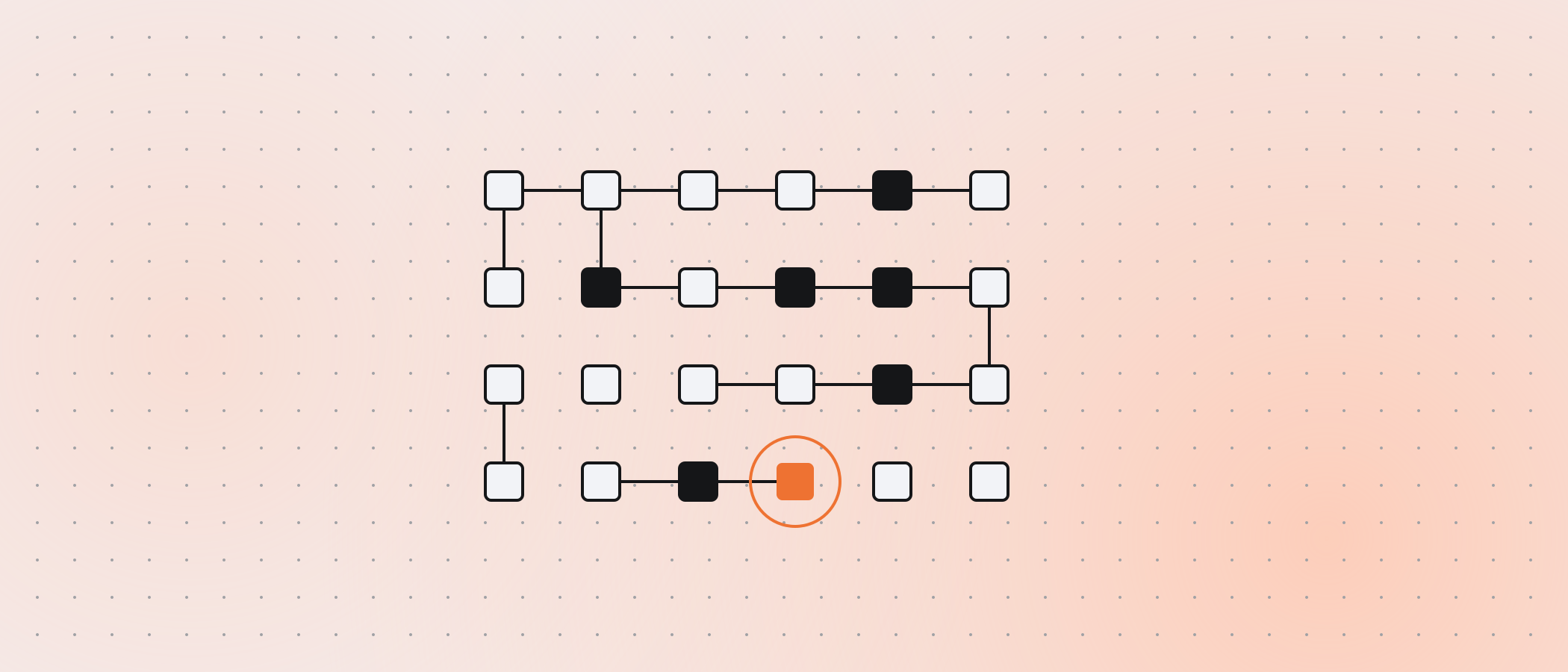
In practice, as applications grow, sequential test execution becomes a mathematical bottleneck that blocks continuous delivery. To maintain development velocity without sacrificing coverage, engineering teams must implement parallel test execution, distributing workloads across multiple machines, browsers, or containers. Intelligent parallel orchestration can compress an 8-hour sequential test suite into just 45 minutes, enabling true continuous integration and multiple daily releases.
Furthermore, running the right tests is just as critical as running them quickly. For complex microservices, Test Impact Analysis (TIA) identifies exactly which tests are relevant to a specific code change, preventing the need to run the entire suite while ensuring downstream issues are still caught early.
Choosing the right tooling is equally critical to executing this strategy:
- Playwright is ideal for true cross-browser E2E testing, visual debugging, and fast parallel execution via built-in workers and sharding.
- Cypress offers an exceptional developer experience with real-time command replay and time-travel debugging, making it highly effective for frontend teams prioritizing visual debugging.
- Vitest or Jest provide lightning-fast execution for the massive base of unit tests required by the pyramid model.
Actionable takeaways for the team
To transition from a reactive QA culture to a proactive engineering culture, teams should focus on these concrete steps:
- Integrate performance testing early in the software development life cycle to identify design flaws and memory issues before launch.
- Ensure the test environment accurately mirrors production configurations, including hardware, databases, and network setup, to guarantee valid results.
- Incorporate tests directly into CI/CD workflows so that automated checks run quickly and continuously as the system evolves.
- Leverage dynamic parallelization in your CI/CD pipeline, which analyzes execution history to automatically isolate slow tests and optimize distribution.
What specific testing bottleneck is currently slowing down your team's deployment pipeline the most?